
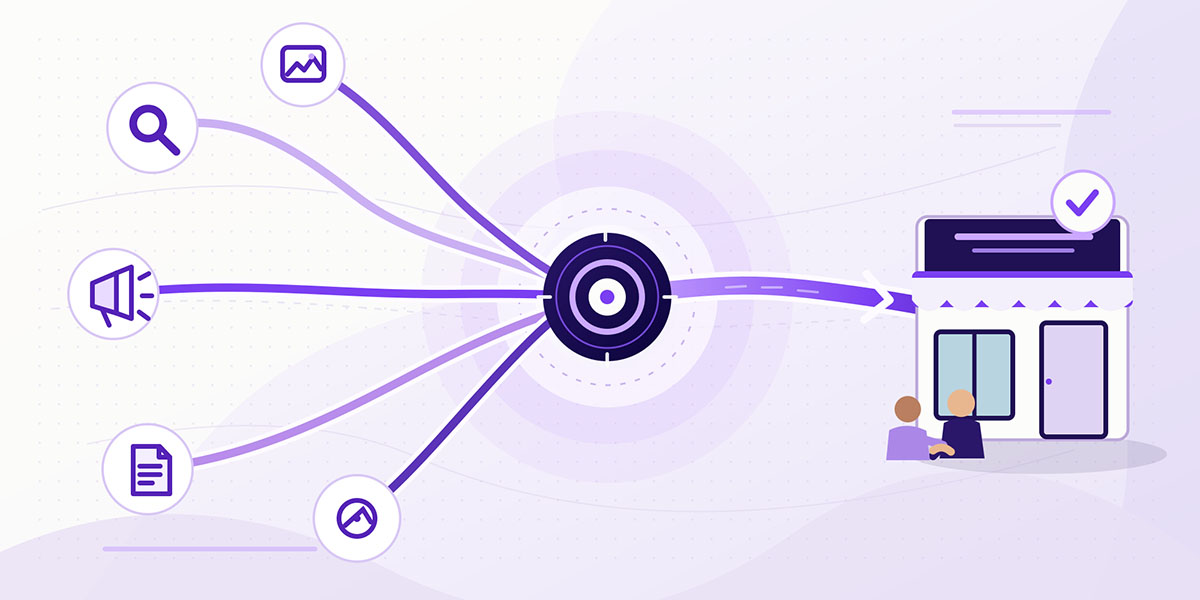
A business can have a website, active Google Ads, social accounts and plenty of reports without having a clear marketing strategy. Each channel may be busy, but the work does not necessarily support the same goal.
A modern digital marketing strategy connects business priorities to the people you need to reach, the paths they take before contacting you and the systems that measure results. It also establishes who is responsible for the work. The right channel mix depends on the business, rather than a standard checklist.
When several activities are already running but the next move is unclear, a digital audit and roadmap may be more useful than adding another tactic.
Start With a Business Goal, Not a Channel
Before choosing platforms or budgets, define the result the business needs. A regional contractor might want more qualified installation requests in two service areas. A professional firm may need better inquiries for a high-value practice. Meanwhile, a company adding locations may need consistent marketing and reporting across its branches.
“Get more traffic” is usually too broad. More visitors will not help if they are searching for services you do not offer. Instead, describe the service, customer, market and action that would make the investment worthwhile.
That goal gives everyone a common target. Website changes, search content, advertising and lead follow-up can then support the same outcome.
Know Which Customers Matter Most
Not every customer is equally valuable or equally suited to your company. Some buyers need emergency service, while others compare providers for months before making a decision. Their questions and expectations are different.
Start by identifying the customers you can serve well and the services you want to grow. Then consider where those buyers look for information, what stops them from contacting you and how your team handles the inquiry. This makes content and campaign decisions easier. It also prevents broad messaging that tries to appeal to everyone.
Make the Website the Center of the Customer Journey
Search results, ads, business listings and social posts often point back to the company website. Once someone arrives, the site has to explain the offer and make the next step clear. A redesign alone will not solve weak service information or a broken contact process.
A practical website and landing-page strategy should address:
- Service pages that explain what the company actually offers
- Navigation that helps visitors find the right service or location
- A mobile experience that supports calls, forms and quote requests
- Relevant proof, real photography and current business information
- Lead routing, tracking and someone responsible for maintenance
For example, a paid ad for generator maintenance should not send people to a general homepage that barely mentions maintenance. The destination needs to answer the question that brought them there.
Build Search Visibility Around Real Services and Locations
SEO should reflect how customers search, not just the terms a business wants to rank for. Service pages, useful supporting articles and clear internal links can help explain the company’s work. For local businesses, Google Business Profile, reviews and accurate location information also deserve attention.
However, ranking for a broad phrase is not automatically valuable. An electrician seeking commercial projects may get little benefit from attracting people searching for do-it-yourself wiring instructions. Focus on search terms connected to services the company can deliver and customers it wants to win.
Regional businesses also need to avoid thin location pages that repeat the same copy with a different city name. Real locations and meaningful service markets should have information that helps people in those areas.
Give Paid Advertising a Specific Job
Paid media can reach buyers quickly, but spending more does not repair a weak offer or a poor landing page. First, decide which services and markets merit paid support. Then match the audience, ad, destination page and follow-up process.
A Google Ads and paid-media plan should also define what a useful lead looks like and who reviews lead quality. If the campaign generates calls that do not fit the business, clicks alone will not tell the whole story.
As results come in, adjust targeting and spending based on real inquiries, not only platform activity.
Decide What to Measure Before Building a Dashboard
Reports should answer business questions. Which services produce qualified calls? Where do good estimate requests come from? Are inquiries reaching the right employee? Without clear definitions, a dashboard can look impressive while leaving those questions unanswered.
Start by agreeing on the important actions, such as submitted quote forms, useful phone calls and appointments. Next, check how the website, GA4, Tag Manager, advertising accounts and any CRM record those actions. A tested analytics and conversion-tracking plan should connect the numbers to actual decisions.
Keep in mind that a phone-number click is not the same as a qualified call. Measurement needs context from the people handling leads.
Use Content to Help Customers Make Decisions
Content has several jobs. A service page explains what a company provides. An article can answer a common buying question, while original photographs or video show the people and work behind the claims. Case studies can provide useful proof when the details are verified and approved for publication.
Because each asset has a purpose, the plan should identify who supplies the facts, who approves the material and how it will be maintained. AI can assist with drafting or repurposing, but it cannot verify experiences or invent evidence on the company’s behalf.
Include AI Search Without Creating Another Disconnected Program
AI-assisted search gives people additional ways to discover and compare businesses. However, that does not mean every company needs a separate stream of AI-focused articles.
Clear service explanations, useful answers, crawlable pages and accurate public information provide a sensible foundation for both traditional and AI-assisted discovery. There is no reliable way to guarantee that a business will appear in a particular AI answer. Build content for buyers first, then review how those discovery channels evolve.
Connect Reputation and Lead Follow-Up
Reviews, business listings and customer service are closely related. A company should ask real customers for honest feedback, keep its public details accurate and assign someone to respond when attention is needed. Still, marketing cannot compensate for an ongoing service problem.
Lead handling needs the same ownership. If an estimate request sits unanswered or the phone goes to the wrong team, the campaign may create interest without creating an opportunity. Therefore, review the process after the form submission: who responds, what gets recorded and whether the inquiry becomes a qualified lead.
Assign Ownership Across Teams and Vendors
Many businesses already have enough software. What is missing is a person or team responsible for the complete customer journey. The website vendor may wait for marketing approval while the ad manager waits for a landing-page change. Meanwhile, no one checks whether conversion tracking still works.
A workable strategy identifies who can approve changes, who manages each platform, where access is documented and how competing requests are prioritized. When there is not enough internal capacity, ongoing digital support can help coordinate the work across systems and vendors.
Put the Budget Where the Biggest Problem Is
Splitting the budget evenly among SEO, ads, social and content may feel balanced, but it does not address the company’s actual bottleneck. For instance, buying more traffic will not help much if the quote form fails. Likewise, producing weekly articles may be premature when the core service pages are unclear.
Priorities should change as evidence improves. Fix an unreliable measurement setup before treating campaign reports as proof. Improve a useful but hard-to-find service page before launching another unrelated content series. Once the main customer path works, additional marketing investment has a better foundation.
Use Six Questions to Build the Roadmap
A plan does not need to start with a complicated presentation. Instead, bring leadership, marketing and the people who handle customer inquiries together around these questions:
- What business result needs to improve?
- Which customers and services matter most?
- Where do those customers discover and evaluate the company?
- What is preventing them from taking the next step?
- How will we identify and measure a useful lead?
- Who will own the work after the plan is approved?
The answers reveal whether the next investment belongs in the website, search, advertising, tracking or operations. More importantly, they give the business a way to set priorities instead of approving disconnected projects.
What Should Stay In-House, and When Is Outside Help Useful?
Internal employees often understand the customers, service standards and sales process better than an outside provider. They can supply subject-matter knowledge, approve claims, request reviews and explain which inquiries are worth pursuing.
Outside support may be useful for technical website work, complex measurement, paid campaigns or coordination across several vendors. A hybrid model can work well, provided responsibilities are clear and the company retains control of its accounts and business decisions.
When Does a Broader Strategy Review Make Sense?
Consider a broader review when multiple channels are active but leadership still cannot tell what is working or what to fix next. It may also be worthwhile before a website rebuild, market expansion, new advertising program or change in vendors.
A useful review should identify urgent problems, opportunities that can wait, work the team can own and specialist help that may be needed. Arkutha evaluates websites, search, paid media, analytics, content and lead systems as connected parts of a business. Request a Digital Audit if your company needs a prioritized plan rather than another isolated marketing tactic.
Frequently Asked Questions
What should a digital marketing strategy start with?
Begin with a specific business result and the customers who can help achieve it. From there, map how they discover the company, what blocks inquiries and how success will be measured.
Does every business need SEO, ads, social and AI search at once?
No. Choose channels based on customer demand, the value of the service, available budget and what the team can support. A smaller, focused plan often makes more sense than being active everywhere.
How does the website fit into a marketing strategy?
It is often the main destination for visitors from search, ads and business profiles. Therefore, service information, mobile usability, contact options and tracking need to support the same customer journey.
What should a marketing dashboard measure?
Measure meaningful actions, such as qualified inquiries, calls, appointments and opportunities. Traffic and engagement can explain activity, but they should not replace business outcomes.
Can an internal team and outside provider share the strategy?
Yes. Internal staff can own business knowledge, approvals and customer follow-up, while outside specialists handle technical or cross-channel work. Clear ownership makes that arrangement easier to manage.
When does a broader digital audit make sense?
A review is useful when the business has several active channels but no clear priorities. It can also help before a large website, advertising, vendor or market change.